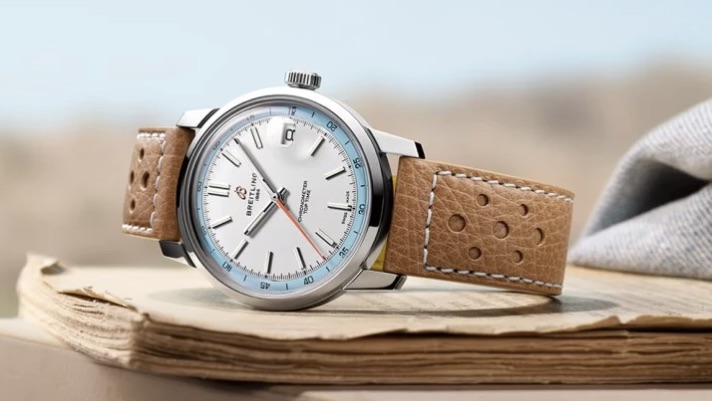
Ask any experienced UK buyer how they choose a replica watch and you’ll rarely get a straightforward answer.
Not because the process is complicated, but because so much of it is instinctive—based on subtle cues, tactile
impressions, and a growing understanding of what separates a refined replica from a forgettable one.
Many buyers now use curated selections—such as
this trusted UK catalogue—as a baseline for comparison,
simply because consistent presentation removes a lot of uncertainty from the decision-making process.
It Often Begins With a Feeling Before a Detail
While UK buyers certainly examine specifications and product photos, the first judgment they make is emotional.
They ask themselves a quiet but revealing question:
“Would I actually wear this?”
That initial impression influences everything that follows.
If the watch feels balanced, familiar, and visually pleasing, buyers invest the time to study it further.
If not, they move on quickly.
Balance and proportion matter more than technical accuracy
Buyers rarely speak about “millimetre precision” unless something looks obviously wrong.
What they care about is proportion.
A replica that gets the proportions right—lug length, dial spacing, bezel height—immediately earns trust.
The watch has to fit into their lifestyle
Whether someone works in an office, travels frequently, or prefers casual attire, the watch must complement
their routine. UK buyers avoid pieces that feel too flashy or demanding. They choose replicas that blend elegance
with practicality.
Where Technical Evaluation Quietly Begins
Once the initial emotional filter is passed, UK buyers begin a more detail-oriented process.
This is where replicas either impress or fall short.
The dial is inspected first—every single time
Even buyers with limited watch experience instinctively focus on the dial.
They examine:
- whether hour markers sit confidently without leaning
- if the printing holds sharpness at a normal reading distance
- the smoothness of the dial surface under soft daylight
- whether text spacing feels precise rather than improvised
A dial that looks “almost right” is rarely good enough.
It has to feel deliberate.
Buyers judge the crown more than they admit
Turning the crown reveals far more than most people realise.
A smooth, consistent winding feel suggests proper assembly.
A gritty or loose sensation signals immediate distrust.
UK buyers may not describe the sensation technically, but they know exactly what feels wrong.
Bracelet behaviour determines whether the watch is wearable
Bracelets reveal truth.
A replica can look perfect in photos yet feel disappointing the moment the bracelet articulates.
UK buyers test for:
- stable, quiet link movement
- a clasp that closes with intention instead of force
- tapering that feels natural rather than abrupt
- edges that don’t irritate the wrist
If the bracelet passes, the watch enters “daily-wear potential.”
If it fails, the watch is dismissed immediately.
The Real Motivations Behind Choosing a Replica
People often underestimate why replicas appeal to UK buyers.
It’s rarely about trying to imitate luxury owners.
It’s about enjoying design with freedom and without unnecessary financial tension.
Freedom from worry
Luxury watches demand constant caution—avoiding scratches, theft, loss, and costly servicing.
Replicas remove that mental burden.
Buyers can wear the watch confidently and naturally in all environments.
The desire for variation, not limitation
UK buyers enjoy switching watches depending on the day, outfit, or activity.
Replicas offer this flexibility without requiring thousands of pounds for each additional piece.
A more genuine relationship with design
Many buyers appreciate the aesthetics of luxury watches but don’t feel the need to own the original.
They want the experience—the look, the feel, the everyday pleasure—without the complications of ownership.
How UK Buyers Quietly Evaluate Retailers Before Ordering
Sellers rarely realise how closely they are being judged.
UK buyers pay attention to subtle cues that reveal whether a retailer takes quality seriously.
Is the catalogue consistent?
A retailer offering ten different models with ten different quality levels immediately raises suspicion.
Buyers prefer sellers whose collections feel curated and stable—similar to
this structured presentation of models.
Are the photos honest?
Over-polished images create doubt.
Natural lighting communicates authenticity.
Buyers want to see reflections, shadows, and realistic colour tones.
Does the retailer communicate like a human?
UK buyers dislike scripted responses.
They want sellers who answer questions directly and provide clear explanations, not canned assurances.
The Final Internal Check Before a Purchase
After the emotional and technical filters, UK buyers reach a quiet internal decision point.
They ask themselves:
- “Will I enjoy wearing this for months, not days?”
- “Does anything about this watch bother me enough to regret the purchase?”
- “Does this retailer feel dependable if something goes wrong?”
When all three answers lean positive, the purchase becomes inevitable.
Where the UK Replica Watch Market Is Heading
As buyers become more knowledgeable, the UK market is shifting away from low-cost, inconsistent replicas
and toward refined pieces that offer value through finishing, comfort, and coherence.
Sellers who maintain predictable quality—such as
https://swissmade.uk.com—are setting the tone for what
modern UK buyers now expect.
The future is moving toward transparency, consistency, and wearable refinement.
UK buyers aren’t looking for shortcuts—they’re looking for watches that respect their expectations.